Home & Family Preparedness
Not Prepared at All? Start Here: The First 72 Hours, Without the Panic
Safe water, familiar food and the questions you might feel daft asking. A calm UK starting point for busy mums.
The UK government says to have emergency supplies. You have half a packet of crackers, some tea bags and a torch that might be in the Christmas decorations.
Right. We can start there.
When you haven't prepared at all, a long equipment list can feel like being handed homework during a fire drill. Sometimes you need the very basic answers first. Can you drink rainwater? Does tea count? What do children actually need? And is a cupboard full of rice useful if you can't cook it?
Here are the questions you might feel a bit daft asking. They are sensible questions. Much better asked over a brew than when the taps have stopped working.
First: what are these three days supposed to cover?
This is a UK household guide, using the government’s Be Ready advice, NHS information and UK food-safety guidance. A three-day plan is a buffer for disruption to things such as power, water, shops or communications. It is not a promise that an emergency ends after 72 hours, or an instruction to wait three days before asking for help.
This guide assumes you are at home and it is safe to stay there. If there is fire, flooding, a gas leak or an instruction to evacuate, getting to safety comes first. Supplies do not make an unsafe home safe. Call 999 if someone is in immediate danger. [1]
What do humans actually need?
For an ordinary household, think about these needs together:
| Need | The plain-English version |
|---|---|
| A safe place and suitable warmth | Somewhere dry and safe, with clothing and bedding appropriate to the conditions |
| Safe fluids | Enough safe water or suitable drinks, with extra for essential hygiene and preparation |
| Essential medical care | Your usual medicines, supplies and a plan for anything needing power or refrigeration |
| Food and energy | Familiar food you can safely eat with the equipment available |
| Hygiene and sanitation | A workable way to clean hands, deal with waste and care for babies or anyone needing help |
| Information and support | A way to receive instructions, contact help and check on people |
These are needs to meet, not six expensive things to buy. A blanket you already own is still a blanket.
And yes, exposure to cold, illness or a missing medicine can become urgent before the food cupboard is empty. “I've got enough tins” does not answer every emergency.
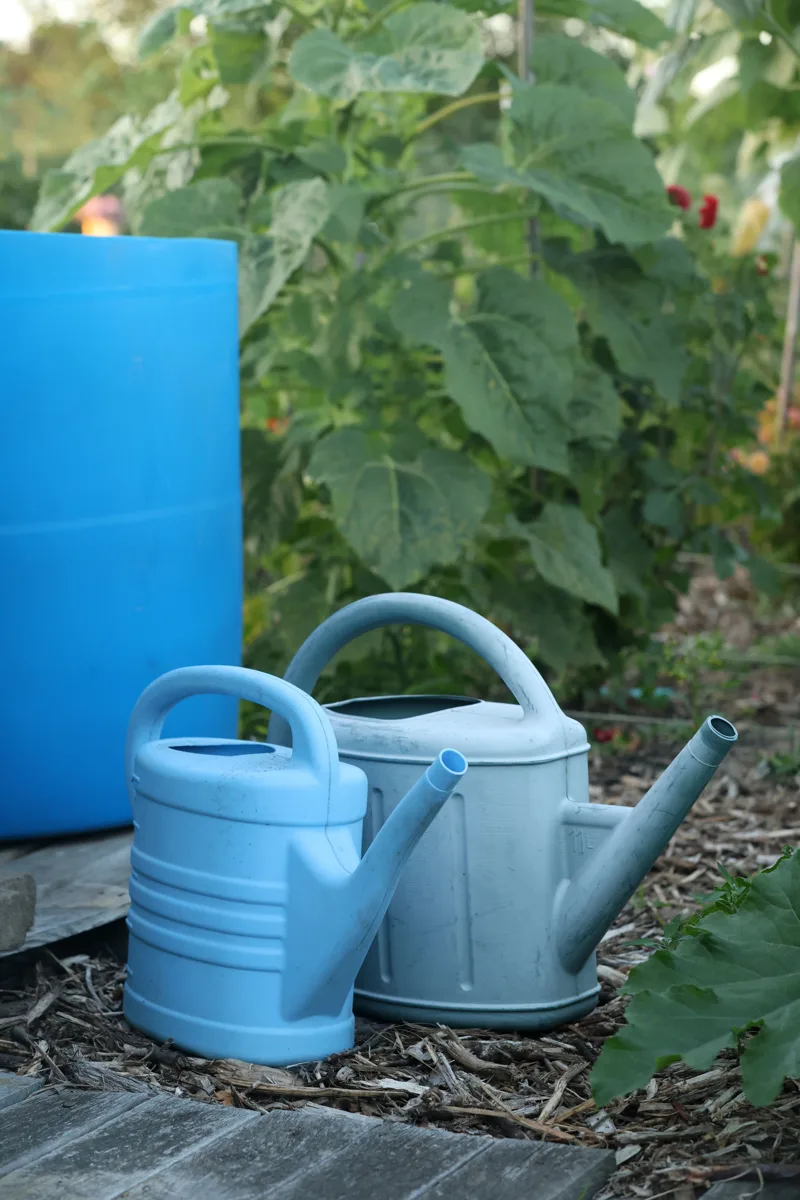
Can we actually drink rainwater?
Not straight from the water butt. Don't assume freshly collected rain is safe either.
Rainwater can pick up germs and chemicals from the air and the surfaces it touches. A roof and gutter can add dirt, bird droppings and contaminants. Looking clear does not make it safe. [2]
The UK government's everyday preparation advice specifically says not to drink water-butt water. It suggests using it for jobs such as flushing toilets instead, where the sewerage system is working and local instructions permit it. For drinking, bottled water or a confirmed safe mains supply is a much simpler option. [1]
Does boiling fix it? Boiling can kill many germs, but it does not reliably remove harmful chemicals. A household filter jug is not a guarantee that rainwater becomes drinking water, either. Treatment has to match the contamination. [2,3]
Rainwater can be made suitable for drinking with an appropriate, maintained treatment system and testing. A bucket and a quick boil do not provide that assurance.
For a beginner plan, don't make improvised rainwater treatment your drinking-water strategy. If you have no safe drinking water, contact your water company or local emergency support promptly for alternative supplies and instructions. Follow the specific advice for that incident: a “boil water” notice, a “do not drink” notice and a “do not use” notice are different things. The Drinking Water Inspectorate explains water notices; instructions from your own supplier take priority. [3]
Keep rainwater separate from safe drinking water. Adding a little questionable water to good water does not improve the questionable water. It can contaminate the good water. [2]
There is a separate last-resort context: the UK Chief Medical Officers have published contingency advice for a severe, prolonged national power outage, including ways to make alternative water sources safer when safe drinks run out. That is emergency risk-reduction advice, not a claim that untreated rainwater is safe. Follow the instructions actually issued for your area rather than applying a generic internet recipe.
How much water should I put aside?
The government's preparation target is three litres of drinking water per person per day for three days: nine litres each. A household of four would store 36 litres for drinking, with extra for washing, preparing food, medical needs, pets and infant feeding. [1]
This is a household storage target, not an instruction to make a small child drink three litres a day. Actual needs vary with age, health, activity and temperature. Babies have their own feeding requirements.
If you cannot store the full amount immediately, start with what you can and build up. Before an incident, check whether you are eligible for your water supplier's extra-support register. Be Ready links to Priority Services support in England, Scotland and Wales and Customer Care Registers in Northern Ireland. During an outage, ask the supplier about alternative water rather than silently struggling.
Does tea count, or must it be plain water?
For an adult, tea does count towards fluid intake. The NHS includes tea and coffee among drinks that contribute to everyday hydration. [4]
However, tea needs safe water and a safe way to heat it. A cupboard containing tea bags is not yet a cupboard containing drinkable tea. I say this with considerable personal disappointment.
You can include suitable ready-to-drink fluids, but make safe water the foundation. Use caffeine in moderation; if you are vomiting, have diarrhoea or are dehydrated, follow illness-specific advice rather than relying on strong tea. Children should have age-appropriate drinks, not an adult tea-and-coffee plan. [4,5]
Could an adult get through on water, tea and protein snacks?
Some healthy adults might cope with an unusually limited diet for a short period. That doesn't make it a reliable plan for everyone, or mean you should intentionally go without meals.
Protein is only one part of food. You need enough overall energy too. Bread, cereal, crackers and other starchy foods provide useful energy; suitable fats and protein foods can help round out simple meals. [6]
A “high protein” label doesn't tell you that one bar replaces lunch. Check what the food actually provides and how much you would normally eat. Medical conditions, pregnancy, age and illness can change what is appropriate.
The simplest plan is three days of your usual number of meals and snacks, made from foods you already tolerate, with portions matched to your appetite. It can be repetitive. A short emergency does not require a rotating tasting menu.
What do children need at the bare minimum?
There isn't one safe universal number of crackers, calories or bottles that covers every child. A toddler and a teenager are not the same planning unit.
Plan to keep feeding them, rather than seeing how little they can manage on. Children need safe drinks, enough familiar age-appropriate food, suitable warmth, care and any necessary medicines. Babies and children are more vulnerable to dehydration. [5,7]
An easy food framework for each child is:
- A familiar breakfast, such as their usual cereal with suitable long-life milk.
- Two simple meals built from foods they accept: for example crackers or wraps with a suitable ready-to-eat protein food, plus fruit or vegetables where practical.
- Their usual snacks, with extra if the planned meals are smaller than normal.
- Suitable drinks offered regularly.
Do not give whole nuts to under-fives; adapt food shapes and textures to your child's age, and supervise eating.
Multiply their normal daily quantities by three. Check allergies, textures and what each product needs after opening. Familiar food is useful preparation for a child who struggles with change; it is not being indulgent.
For an actual menu, use our three-day no-cook family food plan.
Babies need a separate feeding plan
Continue breastfeeding if that is how your baby feeds. If formula feeding, plan suitable ready-to-feed infant formula and a safe way to clean and sterilise feeding equipment when utilities are disrupted. Ready-to-feed formula avoids needing to make up powder, but opening and storage instructions still matter. [8]
Never stretch formula by adding extra water, replace infant feeds with tea or ordinary cow's milk, or mix powdered formula with cold bottled water as a shortcut. If you cannot safely feed your baby, seek help urgently. [5,8]
What about diabetes or other medical needs?
A household managing diabetes, food allergies, swallowing difficulties or a prescribed diet needs an individual plan. Generic advice about missing meals or eating whatever is left may be unsafe. Include the foods, medicines and equipment that person's care plan requires, and speak to their care team about an outage backup.
What food lasts longest at room temperature?
“Ambient” just means ordinary room-temperature storage under the conditions on the label. It does not mean a boiling car, damp shed or sunny windowsill.
There are two questions here: how long will it keep unopened, and can I eat it if I have no power or safe cooking setup?
| Food | Unopened cupboard life | Useful without cooking? |
|---|---|---|
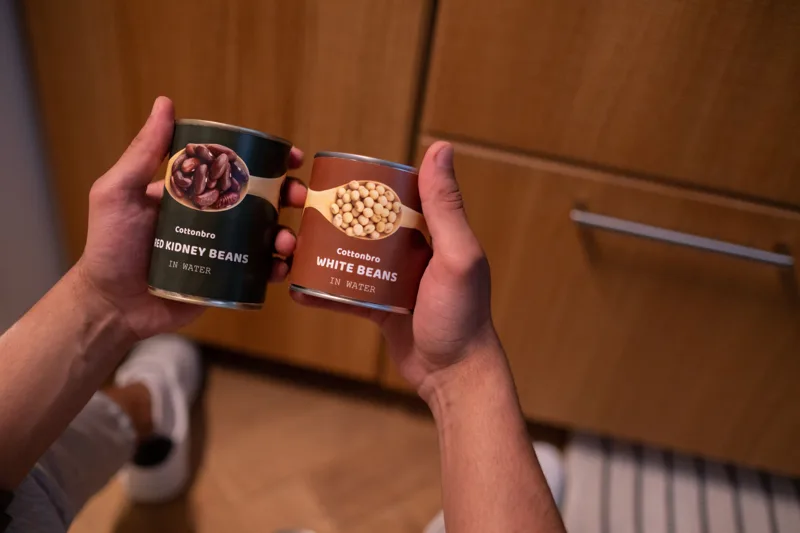
| Commercially canned beans, vegetables, meat and fish | Often a long best-before period, sometimes years. Check the date on the actual UK product and its storage instructions. | Many are ready to eat; check the instructions. |
| Canned fruit and tomato products | Long-life cupboard options, but there is no single shelf-life figure for every product. Use the pack’s best-before date and storage instructions. | Many can be eaten cold; check the label. |
| Long-life UHT milk or a suitable shelf-stable alternative | Commonly months; the printed date governs your choice. | Yes, if suitable for the person. Usually needs refrigeration after opening. |
| Crackers, oatcakes and breakfast cereal | Commonly months; varies by product and packaging. | Yes. Choose familiar, age-appropriate options. |
| Nut or seed butter, if suitable | Commonly months; check storage instructions, including after opening. | Often useful as a spread. Check allergies and age suitability. |
| Dried fruit and suitable snack bars | Commonly months; check the pack. | Yes, if age-appropriate and tolerated. |
| Dry rice, pasta and dried beans | Long cupboard life, depending on the product. | Generally need water and proper cooking. Not a ready-to-eat backup. |
| Sugar and salt | Can keep for a very long time when stored properly. | Ingredients, not a three-day meal plan. |
For UK shoppers, there is no universal “all tins last X years” rule to rely on. The Food Standards Agency says the length of time canned food remains acceptable depends on the product, brand and storage conditions. Choose sound tins with useful remaining best-before dates, store them as instructed and rotate them. [9]
For a simple three-day kit, food you will eat and rotate is more useful than food with the longest imaginable lifespan. You do not need a twenty-year ration pack to cope with a weekend power cut.
Can I eat tins cold? Can I leave them open until tomorrow?
Many commercially canned foods can be eaten cold, but check the manufacturer's instructions. “In a tin” is not enough information on its own. [10]
Opening the packet or tin changes things. Food labelled to be refrigerated after opening needs safe refrigeration. Without it, choose quantities you can finish at one sitting; don't leave opened fish, milk or other perishable food on the side until tomorrow.
Do not eat from bulging, leaking or badly damaged cans, and do not taste suspect food to see whether it is safe. A best-before date concerns quality; a UK use-by date concerns safety. Storage instructions still apply. [10]
If the power goes off, can I cook indoors on camping gear?
Do not use a barbecue, camping stove or generator indoors, in a tent or in an enclosed space. Carbon monoxide can build up and kill. An open window does not turn outdoor equipment into safe indoor equipment. [11]
A no-cook plan saves you having to solve this problem at all. Use torches for light and your existing warm clothes and blankets. If you cannot keep everyone safely warm, ask for support or move to a safe place as advised rather than improvising a heater.
I've done absolutely nothing. What should I do first?
If things are normal now, choose these three jobs:
- Check drinks and food. Write down what you have, what can be eaten without cooking and the water target for your household.
- Gather what keeps people safe. Medicines, warm layers, blankets, a working torch, charged phone/power bank and written contact numbers. They don't all need to fit in a box.
- Choose the next affordable gap to fill. Water, a missing medicine arrangement or food your child can eat is a better starting point than a clever gadget.
If an emergency has already started, prioritise immediate safety, take stock and get local instructions. Avoid unnecessary journeys through dangerous conditions to buy supplies. Contact the relevant utility, council or emergency support if you lack essentials. Call 999 for immediate danger.
A child who is unusually drowsy, has few wet nappies or is peeing much less may need urgent assessment. Contact your GP urgently or the appropriate urgent-care service. In England, Scotland and Wales, call 111 for urgent advice; in Northern Ireland, contact your GP or the local GP out-of-hours service. Call 999 anywhere in the UK for severe symptoms such as difficulty breathing, confusion or being difficult to wake. [5,12]
For service details, see NHS guidance on getting urgent help across the UK and nidirect’s GP out-of-hours information. Call rather than using England’s 111 online service for a child under five.
For the fuller kit and free printable, see our calm guide to family emergency supplies.
You do not have to become a survival expert this afternoon. Find out what you already have. Make one useful change. Then you have started.
Sources and further reading
- Be Ready: water outages and household checklist.
- CDC: how rainwater can become contaminated. US-based supplementary source for general water-safety science only; UK actions follow Be Ready and your water supplier.
- Drinking Water Inspectorate: receiving a boil-water notice. General scientific detail on why boiling cannot make chemically contaminated water safe: CDC emergency water safety. UK contingency context: UK Chief Medical Officers’ water and sanitation scripts, written for the specific scenario of a national power outage, not a live incident notice.
- NHS: water, drinks and hydration.
- NHS: dehydration.
- NHS: starchy foods and carbohydrates.
- NHS: what to feed young children.
- NHS: preparing baby formula and Food Standards Scotland: power cuts and infant feeding.
- Food Standards Agency: canned food, dates and storage.
- Food Standards Agency: home food fact checker.
- NHS: carbon monoxide poisoning.
- NHS: urgent help and services elsewhere in the UK; nidirect: GP out of hours.
A list you can tick off
Download the free printable emergency supply checklist (PDF). Start with what you already have.
Our family’s 72-hour power-cut plan, including Type 1 diabetes preparation