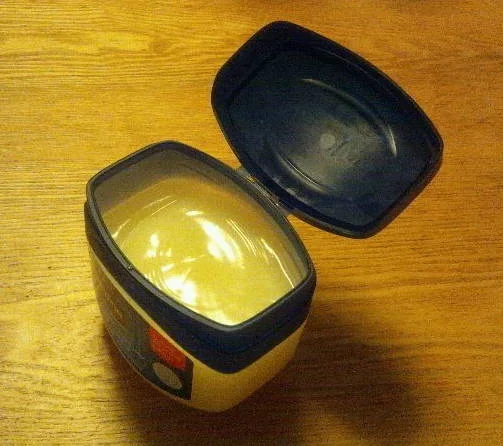
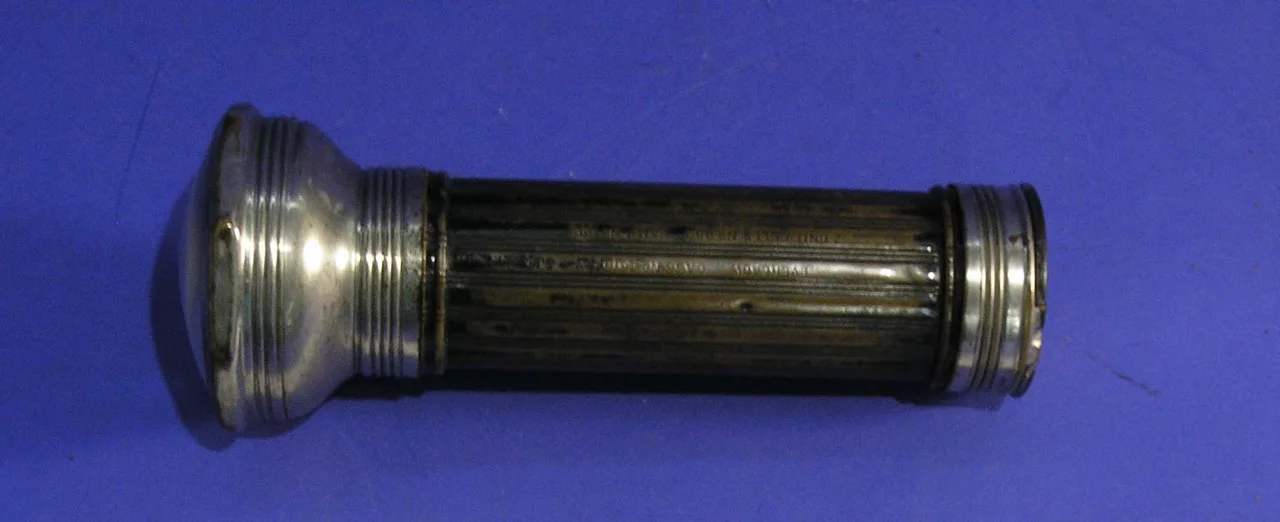
There’s a certain sort of cupboard where the torch lives behind the birthday candles, the batteries are loose in a biscuit tin, and a pot of Vaseline has somehow outlasted three bathroom paint colours. We’re starting there.
The Emergency Cupboard is about looking at what you already own and working out what would earn its shelf space on a properly inconvenient day. First up is plain petroleum jelly, the stuff most of us call Vaseline. If the lights go out, it can make a few small discomforts easier to deal with while you get on with finding the torch, checking on everyone and working out what’s for tea.
The short version. Keep plain petroleum jelly for dry lips, rough hands and skin that rubs. Keep a torch and spare batteries for the dark. Keep the jelly away from flames and follow your oxygen team’s advice if anyone uses home oxygen.
1. Give sore, wind-chapped lips a bit of relief
If you’ve been out checking on a neighbour in a biting wind, or spent the evening licking your lips without realising it, a thin smear of plain petroleum jelly can help hold moisture in. Apply it with a clean finger. The NHS lists petroleum jelly among the options for dry lips and advises against picking flaky skin or repeatedly licking your lips. NHS guidance on sore or dry lips
2. Sort out rough knuckles and dry heels
Between handwashing, washing up and pulling damp gloves on and off, the skin across your knuckles can feel like old wallpaper. Pat clean skin so it’s still slightly damp, then smooth a thin layer over dry patches. The same trick works for dry heels. Do it while you’re sitting down and keep the jelly off the soles of your feet if you’re about to walk across a tiled floor in the dark. American Academy of Dermatology guidance on petroleum jelly
3. Head off rubbing before it turns into a sore patch
If you’re walking to the shop in the boots you usually only wear for ten minutes on the school run, check where they tend to rub. A little petroleum jelly on intact skin can reduce friction where skin rubs against clothing or other skin. Think inner thighs under damp trousers or the spot a stiff seam always catches. Change out of wet socks and adjust the fit of whatever’s rubbing when you can. American Academy of Dermatology guidance on chafing
4. An optional extra for a small, clean scrape
Caught a knuckle on the cupboard door while rummaging for batteries? The NHS basics come first. Stop the bleeding, rinse a small cut or graze with clean tap or bottled water, and cover it with a sterile plaster or dressing. For a minor wound you’ve already cleaned, the American Academy of Dermatology says a thin layer of plain petroleum jelly can help keep it moist while it heals. A clean squeeze tube is handy here, especially if the family pot has been doing the rounds as lip balm. The jelly is optional. If a wound stays dirty after rinsing, or gets increasingly red, painful or swollen, get advice from NHS 111. For a deep wound or bleeding you can’t stop, follow the NHS emergency guidance. NHS guidance on cuts and grazes · American Academy of Dermatology guidance on minor wounds
Three times to leave the lid on
- A fresh burn or scald. The NHS advises cooling it promptly under cool running water for 20 minutes. If running water is unavailable, use cool bottled water or a wet towel. Keep creams and oils off a fresh burn, including petroleum jelly. NHS burns and scalds guidance
- Candles, open fires and DIY firelighters. Skip the Vaseline-and-cotton-wool trick indoors. Emollient residue on clothes, bedding and dressings can make fabric catch more readily and burn faster. Keep treated skin and fabrics away from naked flames and cigarettes. Washing can reduce residue, and some can still remain. For a power cut, the UK government recommends a battery or wind-up torch. MHRA fire-safety advice · Be Ready power-cut guidance
- Home oxygen. NHS oxygen guidance advises against petroleum-based products such as Vaseline when using oxygen. Ask your oxygen team which products they recommend for dry lips or skin. Chelsea and Westminster Hospital NHS home oxygen guidance
Give it a home you can find in the dark
Use the plain petroleum jelly you already have if it’s clean and in date. Keep it in its original labelled pot or tube and follow the label. Put it somewhere you can find it alongside your plasters, and put the torch where you can get to it without opening six drawers. If you do one thing after reading this, switch the torch on and check it works. Finding three dead AAs in a Quality Street tin is a very British experience. Once is plenty.
Like this? Share it with a friend who’s still got the same pot in the bathroom cupboard.