Home & Family Preparedness · Food that works
Three Days of No-Cook Food Your Family Will Actually Eat
Familiar cupboard foods, a three-day menu and a shopping list that makes sense before you reach the supermarket.
Starting from absolutely nothing? Read our beginner’s guide to the first 72 hours for the basic water, food and family questions.

There is a particular sort of optimism involved in buying six tins of something nobody in your house has ever willingly eaten and calling it an emergency food supply.
Technically, yes. There is food.
Whether anyone is going to eat it while the lights are off and their usual routine has disappeared is another matter entirely.
If I am putting aside food for a power cut or a disruption to the water supply, I want it to do a useful job. Familiar. Straightforward. Preferably requiring fewer decisions than choosing something on Netflix.
Here is how to put together three days of no-cook family food, without buying a cupboard full of expensive survival dinners.
Putting the whole kit together? Start with our calm guide to UK emergency supplies, then use this page to plan the food.
What counts as no-cook emergency food?
For this plan, food needs to be safe to store unopened at room temperature and safe to eat without cooking. The government's Be Ready checklist recommends three days of food that needs neither cooking nor refrigeration.
A packet of dry pasta does not pass this particular test. Neither does a chilled pasta salad, even though somebody else has done the cooking.
Read the label on each product. Some pouches and tins are ready to eat; others require cooking. Check what happens after opening, too. Shelf-stable before opening does not mean shelf-stable afterwards.
Start with foods that already work in your house
Before making a shopping list, write down:
- One breakfast everyone can manage.
- Two or three familiar lunch or tea combinations.
- Snacks people actually eat.
- Any allergies, medical dietary requirements or important sensory preferences.
If a child needs one particular brand or texture, plan around it where possible. An unfamiliar packet can be a surprisingly large problem when everything else already feels different.
This is a short-term backup plan. Adapt portions to appetites and include carbohydrates, protein foods and fruit or vegetables where practical. Babies and anyone with a prescribed diet need their own plan rather than a smaller version of this menu.
A three-day no-cook menu to adapt
These are combinations to choose from, not fixed portion sizes. Buy enough for your household's normal meals, with extra for bigger appetites. Choose only products whose labels permit eating them without heating.
| Day | Breakfast | Lunch | Tea | Snacks to add |
|---|---|---|---|---|
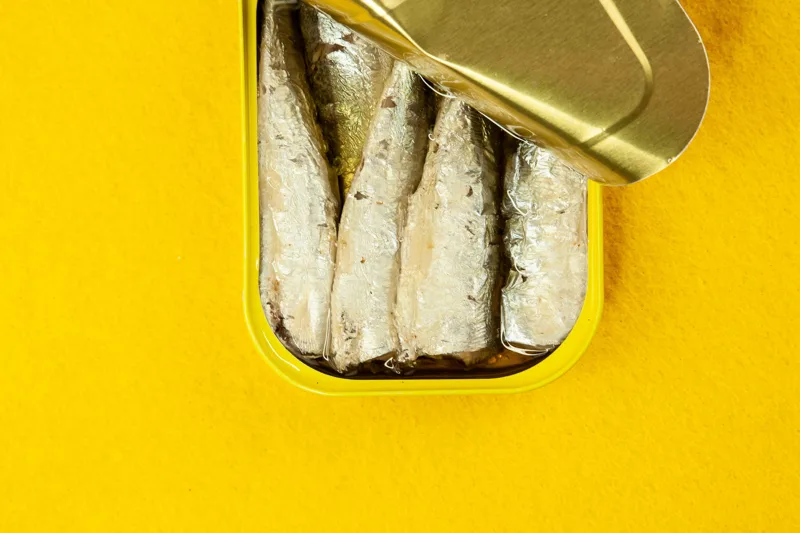
| 1 | Familiar cereal with a small carton of long-life milk or suitable alternative | Wraps with a familiar cupboard-stable spread; individual fruit pots | Ready-to-eat tinned fish or a suitable vegetarian alternative, crackers and ready-to-eat tinned vegetables | Familiar cereal bars, extra crackers or suitable fruit |
| 2 | Repeat the breakfast that works | Crackers or oatcakes, an individual ready-to-eat bean or lentil salad, and fruit | Wraps with ready-to-eat tinned meat, fish or pulses your family accepts; tinned vegetables | Familiar snacks and extra milk or suitable alternative |
| 3 | Cereal and long-life milk again, or crackers with a suitable spread | A cupboard picnic using your chosen ready-to-eat protein foods, wraps and fruit | Repeat the most popular meal, using unopened supplies | Extra snacks appropriate to ages and dietary needs |
Repeating meals is allowed. Nobody needs to invent nine entirely different dishes while hunting for the torch.
Buy your vegetarian alternative in a shelf-stable format: chilled hummus and tofu are not automatically suitable. If using a spread such as nut butter, check allergies and the label's storage instructions.
Assemble each meal in four small steps
- Get plates, cutlery and the manual tin opener out first.
- Choose the unopened food you need for that sitting.
- Open, drain if needed and serve according to the labels. Keep components separate if that suits your family.
- Deal with leftovers straight away. Without safe refrigeration, avoid opening large packs that require chilled storage afterwards.
Small cartons and individual pots can mean less waste when the fridge is unavailable. Compare the cost with what your family will finish together; you do not need to buy everything individually wrapped.
Keep a manual tin opener with the supplies and test it. That last bit sounds obvious until you meet a tin opener that apparently requires an engineering degree.
The shopping list: count meals before packets
Here is the bit I would actually take to the cupboard. Tick what you own first, then write the missing quantity.
Household: ____ people. Plan covers: three days.
- Cereal or another familiar no-cook breakfast: enough for ____ breakfast portions.
- Small long-life milk cartons or a suitable shelf-stable alternative: ____ cartons. Check the volume needed for breakfasts and drinks.
- Wraps, crackers or oatcakes: enough for ____ meal portions, plus snacks.
- Familiar spread suitable for cupboard storage: ____ packs/jars.
- Ready-to-eat shelf-stable protein foods: enough for ____ portions across lunches and teas.
- Ready-to-eat tinned vegetables or other suitable shelf-stable vegetables: ____ portions.
- Fruit pots or tinned fruit: ____ portions.
- Familiar, age-appropriate snacks: ____ portions.
- Extra foods for allergies, sensory preferences or prescribed dietary needs: ____________________.
- Manual tin opener.
- Plates, bowls, cups and cutlery.
- Suitable supplies for hand and surface hygiene, plus waste bags.
- Bottled drinking water: household size ____ × nine litres = ____ litres for three days, plus extra for other needs.
For example, four people having cereal each morning need 12 breakfast portions. Read the cereal portion size you actually use, then work out how many packs that means. Do the same with the milk. A “serving” printed on a packet is not a promise it will satisfy a hungry teenager.
For the lunches and teas, four people need 24 meal portions in total. That does not mean 24 tins: combine foods and choose quantities that suit your household. Write the actual menu first so you can see what each packet is doing.
Water needs its own space on the list
The official water-outage advice recommends three litres of drinking water per person per day for three days. For four people, that is 36 litres for drinking, with more needed for washing, preparation and other needs.
This menu avoids foods that depend on boiling water, but you still need to plan for hygiene. Follow water-company instructions during an incident.
What about the food already in the fridge?
You may be able to use chilled food first while it remains safe. It should not be the food you are relying on for the whole three-day plan.
The Food Standards Agency's power-cut guidance says to keep fridge and freezer doors closed as much as possible. A fridge should stay cold for up to four hours, but that is an estimate, not a guarantee. Use the linked temperature and timing advice to decide what is safe. Food Standards Scotland has guidance for Scottish households.
Do not keep opening the door for a little look. The cheese is still there. You are letting the cold out.
A quick note for families with young children
Adapt food textures and portions to your child's age. Whole nuts are unsuitable for under-fives because of choking risk; thick spreads should be served thinly, not in spoonfuls. See the NHS guidance on baby and toddler safety.
If formula feeding, plan suitable ready-to-feed supplies and safe feeding equipment in case you cannot boil water. Follow the product's opening and storage instructions. Do not make powdered formula with cold bottled water as a workaround.
Make the food visible, then keep using it
You do not need a special emergency pantry. One labelled shelf or a box with a simple contents list is a perfectly useful start.
If cupboards tend to become a collection of things you can no longer find, our ADHD-friendly approach to curated clutter has small ways to make everyday storage easier to use.
Put the earliest dates at the front. Use the food in normal family life before it needs replacing, then add replacements to your shopping list. Check stock again after anyone has raided the emergency cereal bars. Including you. Especially you.
My favourite ADHD shortcut is to keep the three-day menu with the food. Future-you can read “wraps, fish, fruit” rather than trying to construct a meal while somebody asks when the Wi-Fi is coming back.
If getting started is the difficult bit, borrow the small-task approach from the 15-minute house reset: choose one spot, do one useful job and stop before it becomes an entire kitchen overhaul.
Your first small job
Choose one no-cook meal your family already likes.
Write down what goes into it. Check the labels, check your cupboard and add only what is missing to the next shop you can afford.
That is a useful start. You can build the rest a little at a time, with absolutely no requirement to become a person who owns tactical trousers.
For the wider family kit and free supply checklist, see our calm guide to UK emergency preparation.