Autumn food · A little kitchen history
WTF is pumpkin spice—and why are we obsessed?
What’s actually in it, how a baking-cupboard blend became an autumn celebrity, and how to make your own without buying another enormous jar.
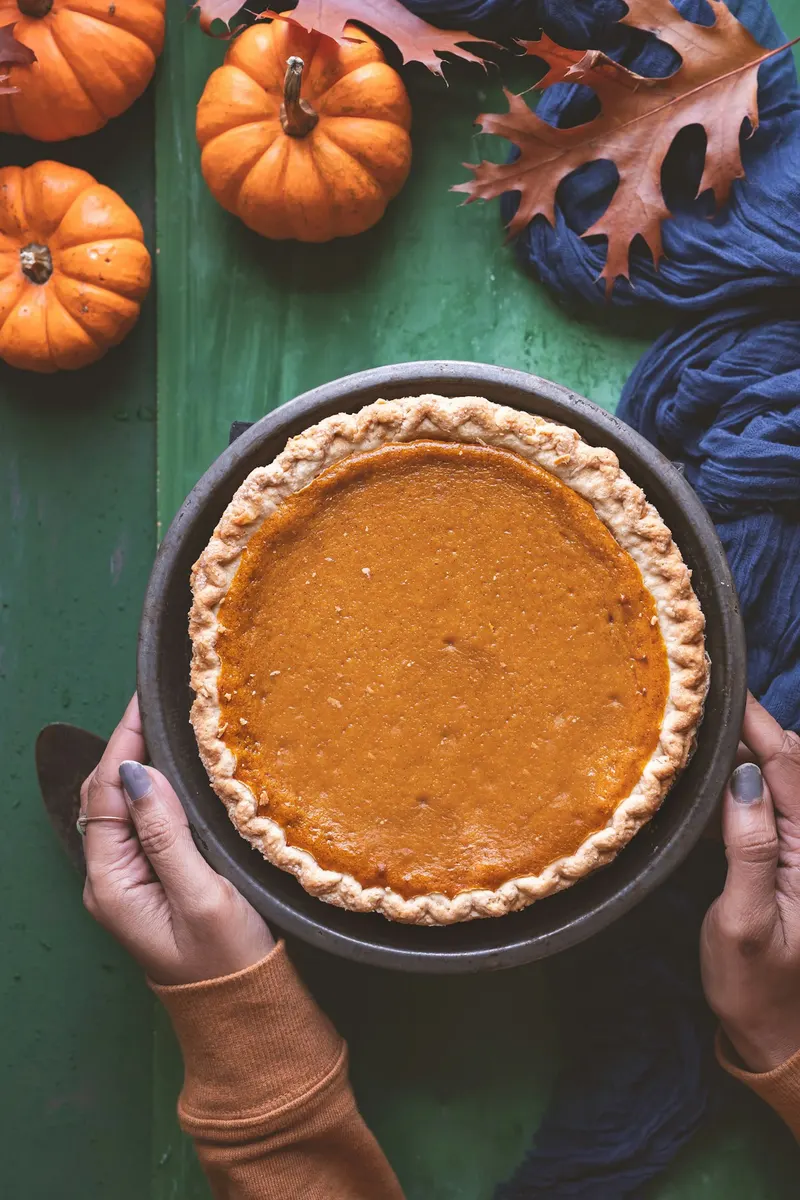
Somewhere between the first fallen leaf and the moment you start wondering whether the heating can wait another week, pumpkin spice arrives.
It’s in coffee. It’s in candles. It’s announcing itself from a biscuit packet while you’re trying to buy washing-up liquid. Apparently autumn now has a signature fragrance, and it comes with an optional cardigan.
But what actually is pumpkin spice? Is there pumpkin in it? Why does it make perfectly sensible people start planning a woodland walk and a film night?
Let’s open the cupboard.
First things first: there usually isn’t any pumpkin
Pumpkin spice is short for pumpkin pie spice: a blend of ground spices used to season pumpkin pie. The name describes what it traditionally goes into, rather than what it’s made from.
The usual suspects are:
- Cinnamon: the main flavour—warm, familiar and gently sweet-tasting.
- Ginger: a little zing to keep things interesting.
- Nutmeg: that rounded, slightly nutty flavour you recognise from cosy baking.
- Allspice: a peppery, clove-like note. Despite its name, allspice is one spice, made from dried berries—not a ready-made mixture.
- Cloves: wonderfully fragrant, but enthusiastic. A little goes a long way.
There is no single compulsory formula. Some blends leave out cloves; others change the balance. The version below is cinnamon-led, with optional cloves, so it doesn’t make your breakfast taste like you’ve chewed a Christmas decoration.
A dry spice blend isn’t the same thing as a pumpkin-spice syrup or latte sauce. Those may contain sugar, pumpkin purée and other ingredients. Our jar contains spices, full stop.
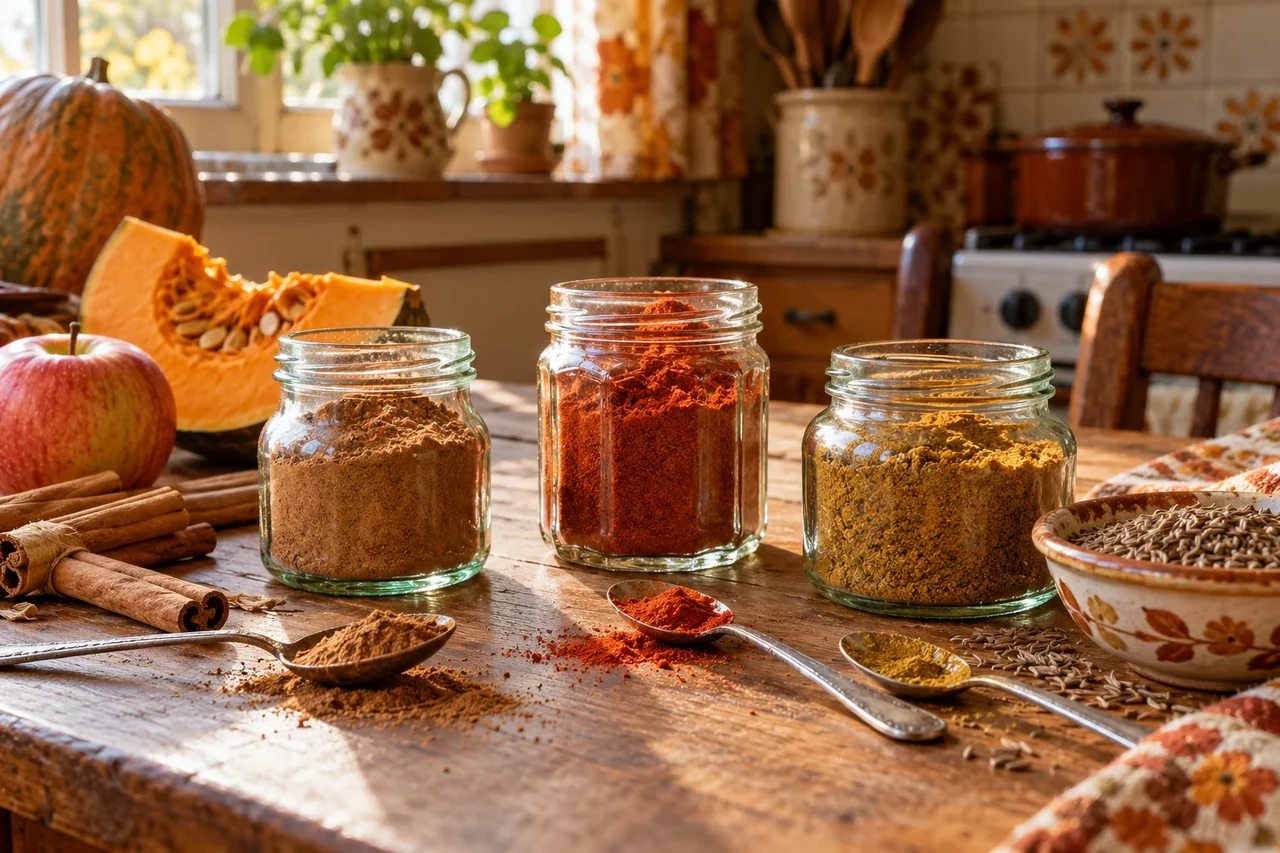
Before the latte, there was the pie
This flavour combination has a baking history that predates the coffee-shop queue. American pumpkin pies were already being seasoned with warming spices long before anybody photographed a takeaway cup against an orange tree.
The convenient, premixed jar has history too. McCormick says it introduced its pumpkin pie spice blend in 1934, helping home bakers season a pie without measuring from several different jars. Read McCormick’s history.
So pumpkin spice wasn’t invented by a marketing department in the noughties. What happened later was that an existing baking flavour acquired an extraordinarily successful coffee-shop career.
Then pumpkin spice got famous
In 2003, Starbucks developed its Pumpkin Spice Latte in Seattle, testing the combination by tasting pumpkin pie alongside espresso. It trialled the drink in about 100 shops in Vancouver and Washington, DC that October, before rolling it out across the US and Canada the following autumn.
The familiar PSL nickname started as the three-letter drink code baristas wrote on cups. One alternative name had been “Fall Harvest Latte”. Imagine the internet trying to get that onto a mug.
By 2014, the drink even had its own Twitter account. In 2015, Starbucks added real pumpkin purée to its pumpkin sauce. And in 2022, “pumpkin spice” entered Merriam-Webster’s dictionary. A spice blend had become a character with a social life. Starbucks’ timeline has the details.
Meanwhile, pumpkin spice escaped the kitchen and turned up in everything from scented candles to cereal. The drink became shorthand for an entire autumn mood: jumpers, fallen leaves, baking, blankets and being very pleased to stay indoors.
Why are we so obsessed?
My entirely unscientific reading is that we’re buying into a small ritual as much as a flavour.
It tastes familiar. Cinnamon and ginger belong to the world of biscuits, crumbles and warm puddings. You don’t need to have grown up eating American pumpkin pie to recognise the baking-cupboard comfort.
It gives the season a starting bell. The annual return of a favourite drink is a little marker: right, autumn’s here. We do something similar with the first mince pie, even when the supermarket gets ahead of itself.
It photographs beautifully. A coffee, a scarf and a few orange leaves make a very tidy story about your day. The internet loves a recognisable theme.
It’s an achievable treat. Most of us aren’t spending October in a spotless woodland cabin. We’re finding missing PE kits and deciding what’s for tea. A spiced drink or a warm slice of cake is a much smaller undertaking.
And yes, the marketing helps. A seasonal product gives us something to anticipate. But enjoying a comforting flavour doesn’t require a defence statement. If a cinnamon-scented cup makes a wet Tuesday slightly nicer, that’ll do.
Make your own: the little-jar recipe
Prep: 5 minutes
Makes: 7 teaspoons, or 7¼ teaspoons with cloves
Equipment: measuring teaspoons, a small bowl and a clean, completely dry airtight jar
Ingredients
- 4 level teaspoons ground cinnamon
- 2 level teaspoons ground ginger
- ½ level teaspoon ground nutmeg
- ½ level teaspoon ground allspice
- Optional: ¼ level teaspoon ground cloves
Method
- Measure all the spices into the bowl. Break up any little lumps with the back of a spoon.
- Stir thoroughly until the colour looks even.
- Spoon into your dry jar, close the lid and label it Pumpkin spice, with the date.
Keep somewhere cool, dark and dry. Make a small batch you’ll use within around 3–6 months for best flavour, depending on how fresh your original spices are. Mixing them doesn’t reset the dates on the packets. Always use a dry spoon.
Prefer a softer blend? Leave out the cloves. Want a little more warmth? Adjust your next batch after trying this one. You’re making something you want to eat, not sitting a spice exam.
Save or print the one-page pumpkin spice recipe.
What does it go nicely with?
Think apples, pears, oats, banana, chocolate, vanilla, maple syrup and creamy things. Pumpkin and squash are welcome too, but they aren’t compulsory guests.
For more cupboard ideas, try our three autumn spice blends, including a smoky roast-veg mix and a cosy hot-drink blend.
These are gentle starting amounts; taste and adjust where practical:
- Porridge: stir ¼ teaspoon into one bowl while it cooks. Add chopped apple or banana.
- Buttered toast: mix ½ teaspoon with 2 tablespoons of sugar. Sprinkle a little over toast and keep the rest in a labelled dry jar.
- Apple crumble: start with 1 teaspoon tossed through about 500g of prepared apples before adding your usual topping.
- Pancakes or French toast: add ½ teaspoon to a small batch of batter or an egg-and-milk mixture for two portions.
- Banana bread, muffins or biscuits: replace some or all of the cinnamon in your usual recipe with the same amount of this blend. Don’t add it on top of a recipe that is already heavily spiced.
- Yoghurt: stir a small pinch into plain yoghurt with stewed fruit. Start gently; uncooked spices taste more assertive.
- Hot chocolate: whisk in a small pinch alongside the cocoa. Chocolate and spice are very good company.
- Roasted squash or sweet potato: toss ¼–½ teaspoon with oil and salt for about 500g of vegetables. You want warmth, not pudding.
UK mixed spice can also give you a similar baking mood, although its ingredients and proportions vary. Check the label: it won’t necessarily taste identical, and it isn’t the same thing as allspice.
A very easy spiced coffee at home
Gently warm 200–250ml milk or your preferred milk alternative with ⅛ teaspoon of your blend and an optional teaspoon of sugar or maple syrup. Whisk, then pour over an espresso or a small strong coffee.
Ground spices don’t dissolve like sugar, so expect a little sediment and give it a stir. Resist the urge to tip a teaspoon straight into your coffee: the result is more gritty spice cupboard than café treat.
This is a simple spiced coffee, rather than a copy of a commercial pumpkin sauce. If you want actual pumpkin in a drink, that’s a different recipe.
The cupboard version is enough
You don’t need a special mug, a fresh wardrobe or a shopping basket full of seasonal products to enjoy this.
Check which spices you already have. Mix a little jar. Put some in tomorrow’s porridge or the next apple crumble. Then decide whether you like it.
Pumpkin spice is warm baking flavours with a very successful publicist. Making it yourself is a pleasant way to keep the flavour and skip the fuss.
Something to bake next?
Try the gooey pumpkin cookies for an autumn baking afternoon. Follow their spice quantities as written; there is no need to add another spoonful on top.
Or, for the pumpkin’s other claim to fame, have a read of why we carve pumpkins at Halloween.
History sources: McCormick’s pumpkin pie spice history and Starbucks’ PSL timeline. The recipe is an original cupboard blend; the explanation of the appeal is editorial interpretation.
