Crafts & seasonal · Kitchen folklore
A little kitchen witchery: an English autumn foraging guide for busy mums
This article contains Amazon affiliate links. As an Amazon Associate I earn from qualifying purchases. Links marked * are paid links.
English household folklore, autumn foraging and a little kitchen witchery for mums who want to begin gently.
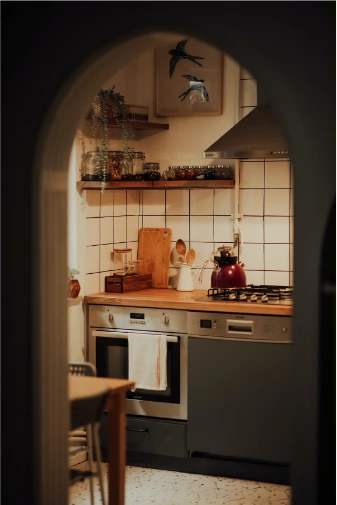
There is something about autumn that makes me want to wander down a lane, come home with something from a hedgerow and stir a saucepan like I know a secret.
Preferably while wearing a cardigan. Definitely without anyone asking where their PE kit is.
If you feel drawn to trees, old recipes, herbs and slightly mysterious cottage kitchens, you might recognise the appeal of kitchen witchery. It offers a way to make everyday things—cooking, noticing the seasons, tending a plant—feel a little more meaningful.
You can explore that feeling with a short walk, a borrowed book and ingredients already in your kitchen. No expensive witch starter kit required.
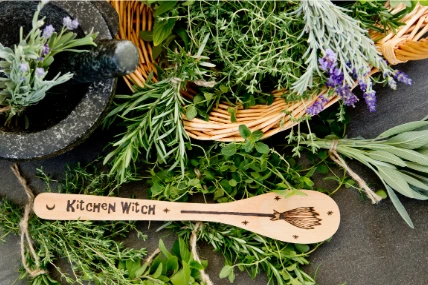
What actually is a kitchen witch?
In contemporary witchcraft, a kitchen witch centres their practice on food, cooking and the home. Preparing a meal might involve a personal intention, a seasonal celebration or symbolic meanings attached to ingredients.
Ad · Affiliate recommendation: I may earn a commission if you buy through the book link below, at no extra cost to you.
Modern food-magic books, such as Scott Cunningham’s * Encyclopedia of Wicca in the Kitchen, show how cooking and spiritual practice can come together. Kitchen witchery is a flexible description rather than one universal set of rules; it doesn’t automatically mean someone follows Wicca.
For some people, this is a sincere spiritual practice. Others simply enjoy the atmosphere: growing rosemary, baking something seasonal, learning the names of plants and making a kitchen feel welcoming.
You can appreciate those things without adopting beliefs that aren’t yours. Stirring a soup thoughtfully can be a lovely ritual, whether you understand it as magic, mindfulness or five minutes of peace.
The English history behind the atmosphere
There are real historical connections here, but we should be careful with the story.
Today’s kitchen-witch label isn’t proof of a single ancient English tradition passed unchanged from grandmother to granddaughter. Household plant knowledge, folk magic, religious customs and modern witchcraft have different histories, even when they overlap.
Household knowledge and garden herbs
Research into medieval English medical manuscripts shows women taking an active role in healthcare, including using plants available in domestic gardens. That is evidence of practical knowledge and household care—not evidence that every woman who knew her herbs was a witch. Historical remedies also aren’t automatically safe remedies for us to copy.
There is still something compelling about knowing a plant by name and understanding its place in everyday life. We can value that knowledge while keeping modern food safety and medicine firmly in the picture.
Cunning folk and everyday problems
England also had people commonly called cunning folk, consulted for magical help with ordinary difficulties. Historian Owen Davies explores their place in English history; Tabitha Stanmore’s research describes people turning to practitioners of “service magic” for problems such as recovering lost or stolen possessions.
It’s a fascinating glimpse of people trying to manage uncertain lives. The connection to today’s kitchen witchery is inspiration, rather than a reason to give everyone in the past the same identity.
Protection around the hearth
Look at old English buildings and you may find marks interpreted as protection against evil. These often appear near doorways, windows and fireplaces. Some invoke Christian protection, including the Virgin Mary: historical household beliefs weren’t neatly divided into our modern aesthetic categories.
There’s a Lincolnshire connection, too. Research at Gainsborough Old Hall revealed numerous ritual protection marks, reported by English Heritage in 2024. These were intended to ward off harm; their presence doesn’t mean the residents were practising kitchen witches.
That mixture of hearth, home, belief and everyday worry is much more interesting than an invented story about everyone secretly belonging to an ancient coven.
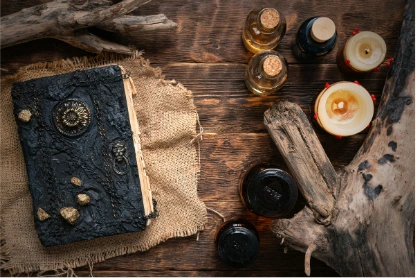
Blackberries, Michaelmas and the Devil in the hedge
One wonderfully autumnal piece of British folklore warns against picking blackberries after Michaelmas, traditionally 29 September. Depending on the telling, the Devil spoiled the berries by spitting on them, trampling them or cursing them.
Kew records this story alongside Britain’s long blackberry-picking tradition. It also points to the practical seasonal connection: later fruit may be affected by mould, insects, rain and decay.
It’s a story to enjoy, not a food-safety calendar. A berry isn’t safe because it was picked before Michaelmas, or automatically spoiled because it was picked afterwards.
The sensible kitchen witch checks the fruit. The Devil can file his complaint elsewhere.
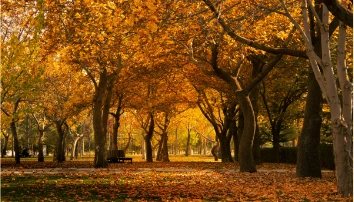
How to begin foraging without getting overwhelmed
This article is a starting point, not an identification guide. Never eat a wild plant or fungus unless its identity and edible preparation are certain.
The Woodland Trust recommends using reference books and leaving anything doubtful alone. For this beginner approach, leave wild mushrooms out of the cooking basket altogether. You can admire and photograph them.
1. Start with a noticing walk
On your first outing, you don’t need to gather food.
Choose a familiar route and look at what grows there. Photograph a plant, its leaves and its surroundings. Notice which trees are changing colour and which fruits the birds are eating.
Coming home with questions is useful progress.
2. Learn one plant properly
Choose one familiar food plant to study—brambles, for example—rather than trying to identify an entire hedgerow.
Use a reputable field guide and, ideally, learn alongside an experienced forager. Treat an app, social-media comment or AI answer as a lead to investigate, never as confirmation that something is edible.
Learn the whole plant and relevant lookalikes. “It has dark berries” is nowhere near enough.
3. Check where picking is allowed
In England, the Theft Act contains an exception for picking wild mushrooms, flowers, fruit or foliage for non-commercial purposes. That does not give you a right to enter land or override other restrictions. Check access, site rules and protected-species requirements; ask the landowner or manager if unsure.
Some Woodland Trust sites restrict foraging, including for conservation reasons. Don’t uproot plants or damage habitat, and leave protected species alone.
4. Take a little, leave plenty
Gather only from abundant plants and take no more than you will use. Leave plenty for wildlife, other people and the plant’s future growth.
A small tub is enough. You don’t need a basket overflowing beautifully onto a checked tablecloth to qualify.
5. Keep the kitchen part simple
Choose a clean collecting location, avoiding obvious contamination, sprayed areas and busy roadsides. Keep unknown specimens separate from food.
With children, make the rule clear: nothing goes into anyone’s mouth while exploring. Adults check everything intended for eating.
At home, inspect and wash confirmed edible produce, discard spoiled pieces and follow an appropriate recipe. Washing or cooking cannot make an unidentified plant safe.
Autumn things to learn about
These are subjects for further learning, rather than a shopping list to collect from this article.
| Autumn interest | A gentle way to explore it |
|---|---|
| Blackberries | Learn to recognise the whole bramble plant. Where sound fruit remains and picking is permitted, a small amount can become a crumble or fruit topping. |
| Sweet chestnuts | Learn their differences from horse chestnuts before collecting. Sweet chestnuts are edible; horse-chestnut conkers are poisonous. Don’t rely on a shiny brown nut alone. |
| Garden herbs | Begin with a correctly labelled culinary herb you already grow. Snipping it for dinner gives you a useful connection between plant and kitchen. |
| Autumn fungi | Make this a looking, photographing or drawing activity while you build knowledge. |
| Seasonal fruit | Use bought apples or frozen berries when foraging isn’t possible. Your kitchen ritual still counts. |
The Woodland Trust has separate guides to sweet chestnut and why conkers must not be eaten.
A tiny kitchen-witch ritual for a busy week
Try this once, when you have a little room for it:
- Spend ten minutes outside noticing one plant.
- Write its name—or your question about it—in an ordinary notebook.
- Make something simple with familiar, safe ingredients: apple porridge, a bowl of soup or berries warmed for yoghurt.
- While you stir, choose a small intention: “I’m making something comforting.”
- Sit down to enjoy it, even briefly.
That is a suggested modern ritual, not a reconstructed historical spell. It needs no special equipment and no promise of supernatural results.
You can also make a kitchen commonplace book: a scruffy collection of recipes, plant notes, family sayings and bits of folklore. Keep food facts and old beliefs clearly labelled, so a charming story never gets mistaken for preparation advice.
You can dip a toe in without changing your whole life
You do not need to become a full-time herbalist, preserve the entire harvest or suddenly enjoy washing every saucepan.
Foraging can begin with learning what grows beside a path you already use. Kitchen witchery can begin with making a meal feel like a moment of care.
Some weeks, you might gather a little confirmed edible fruit. Other weeks, you might look at the trees and make toast when you get home.
There is room for both.
A small safety note: if someone may have eaten a poisonous plant or fungus, get medical help immediately. The NHS advises calling 999 or going to A&E for suspected poisoning, and contacting 111 when you are unsure whether something is harmful. Don’t wait for symptoms or try to make someone vomit.
Useful places to keep learning
- Woodland Trust: responsible foraging
- Woodland Trust: seasonal foraging guides
- Kew: brambles, traditional uses and blackberry folklore
- National Trust: household protection marks
- English Heritage: discoveries at Gainsborough Old Hall

More source reading: Research into medieval household medicine · Owen Davies: Popular Magic · Tabitha Stanmore: Cunning Folk · Theft Act, section 4 · NHS poisoning advice.
The botanical artwork is decorative and must not be used to identify edible plants.
Save a little kitchen witchery
Ad · Contains an affiliate link. If you buy through it, I may earn a commission at no extra cost to you. As an Amazon Associate I earn from qualifying purchases.