Christmas in Victorian England: Goose, Greenery and Parlour Games
Imagine a room dressed with holly, a pudding waiting in the kitchen and a family gathered around a tree hung with little ornaments. It feels like an old-fashioned Christmas card—and much of that familiar picture took shape in Victorian England.
But whose Christmas are we imagining? Queen Victoria reigned from 1837 to 1901. Across those decades, celebrations changed considerably, and money made an enormous difference. A royal feast and a working family’s carefully saved-for dinner belonged to very different worlds.
What was Christmas actually like?
During the Victorian period, Christmas became increasingly associated with home, children, presents and family gatherings. Expanding railways helped people who could afford the fare and obtain time off return to relatives. Mass production and improved printing brought festive goods to a growing market.
This did not mean everybody enjoyed a comfortable holiday. The ideal of a cheerful family Christmas existed alongside poverty, insecure work and the labour needed to produce someone else’s feast. It is worth remembering the person tending the kitchen fire when admiring the beautifully laid table.
Charles Dickens captured both warmth and hardship in A Christmas Carol, published in 1843. Its celebrations sit beside a forceful concern with poverty and generosity. Dickens did not invent Christmas, but his story helped shape how generations have imagined it.
What did the Victorians eat?
Goose, turkey and a year of saving
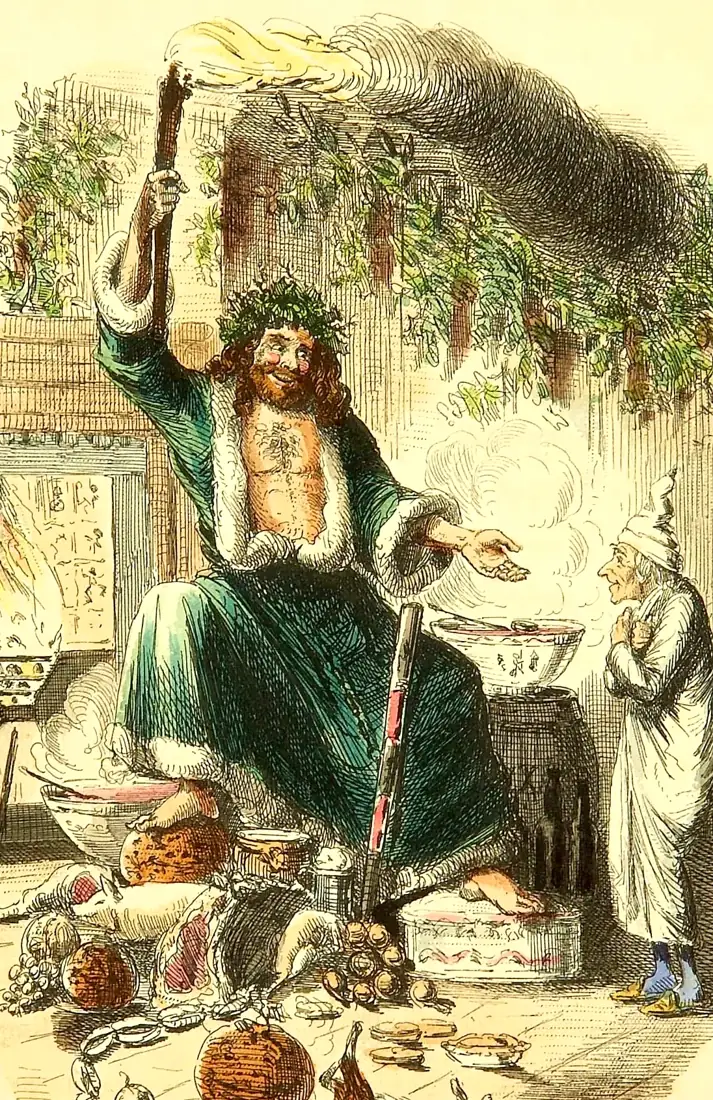
Turkey appeared on wealthy tables, including Queen Victoria’s, but it was not everybody’s Christmas centrepiece. Goose was an important festive bird for households able to stretch to one.
Some people joined “goose clubs”, paying small amounts through the year towards their Christmas dinner. The big meal could represent months of preparation rather than a casual seasonal purchase.
At the wealthiest end, dinner could run through numerous courses: soups, fish, several meats, game pies and sweet dishes. A bird, some pudding and enough to share was a much more modest ambition.
Christmas pudding
The rich pudding was already part of Victorian Christmas, with roots in much older dishes. It was often called plum pudding; the historic name does not mean a pudding filled with fresh plums.
Pudding-making also carried its own rituals. By the nineteenth century, stirring the mixture on the Sunday before Advent was an established custom. Coins and other small charms could be added, carrying predictions of luck, wealth or marriage.
There is something appealing about everyone having a turn with the spoon. Hidden metal objects are a tradition best left in the history books.
Mince pies—with actual meat
Victorian mince pies were not always quite like today’s fruit-filled versions. Recipes changed over time, and some still combined dried fruit, spices and sugar with meat.
Even in the 1850s, food writer Eliza Acton included diced beef as well as suet in a mince-pie recipe. The “mince” in the name once had a rather more literal meaning.
How did they decorate their homes?
Holly, ivy and winter greenery
Greenery offered colour in the darkest part of the year. Holly and ivy decorated Victorian interiors, continuing customs much older than Victoria’s reign.
A Victorian-inspired room does not need to look like a department-store display. A little greenery and a few handmade decorations can suggest the atmosphere perfectly well.
The Christmas tree became fashionable
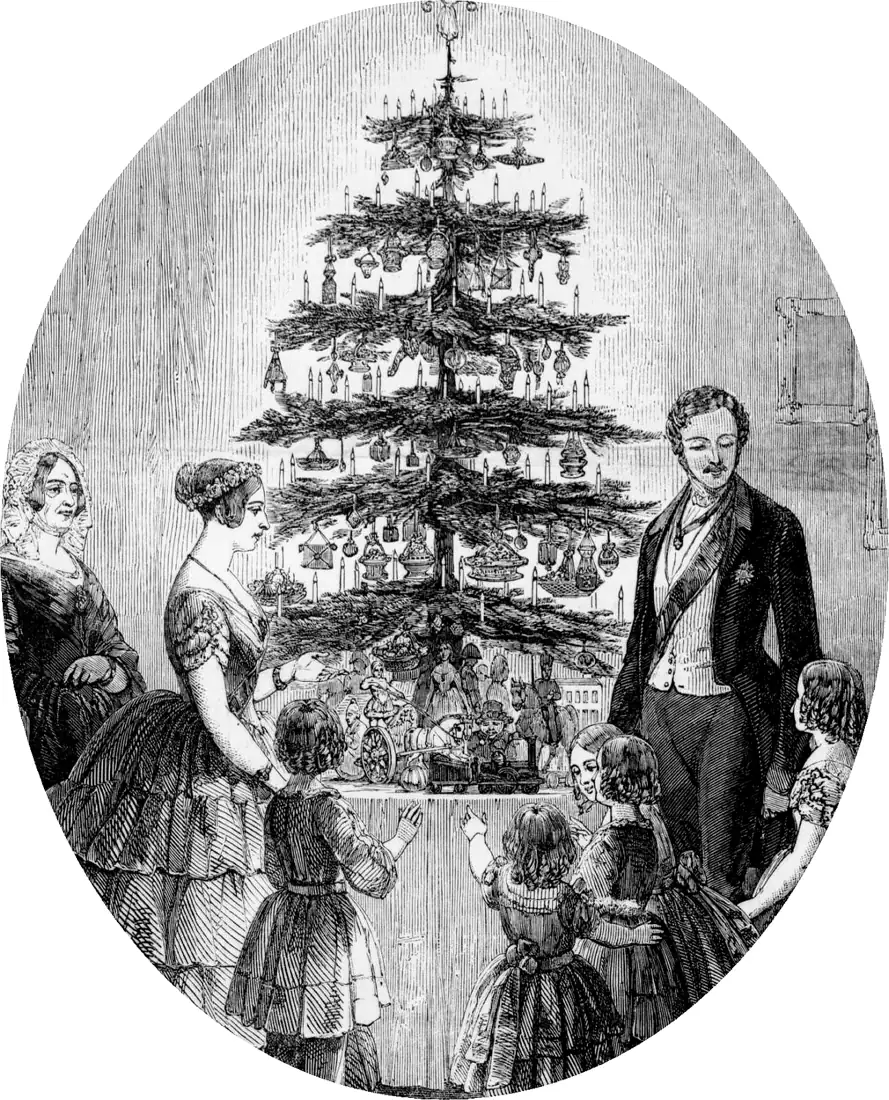
Prince Albert helped popularise the decorated Christmas tree in Britain, but he did not introduce the first one. Queen Charlotte had a decorated tree at Windsor in 1800.
A famous illustration of Victoria, Albert and their children around their tree appeared in the Illustrated London News in 1848. It offered an influential picture of festive family life that others wanted to copy.
Trees could carry candles and small ornaments. Handmade decorations also included paper flowers and gilded walnuts. For a modern version, battery lights supply the glow without putting flames among the branches.
Cards, crackers and small presents
The first commercial Christmas card was commissioned by Henry Cole in 1843, with a design by John Callcott Horsley. Early cards were expensive, but printing improvements and cheaper postage helped the custom spread.
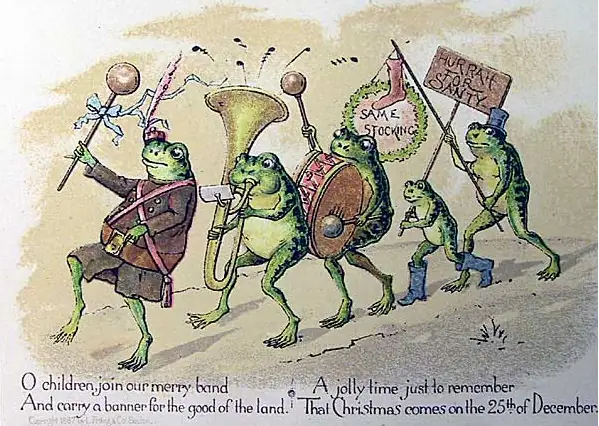
Their imagery could be wonderfully peculiar. Alongside holly, robins and Father Christmas, Victorian cards featured talking vegetables and clowns. Apparently festive weirdness has an excellent pedigree.
Crackers developed during the same period. London confectioner Tom Smith is widely credited with their invention in the 1840s; the familiar snapping version became popular later. Their contents could include sweets, messages and little gifts.
Presents varied with the household’s resources. Victoria and Albert exchanged expensive art and jewellery, while children also gave the Queen things they had made. In poorer homes, there was far less money for gifts. Even within one period, there was no single “Victorian Christmas”.
What did they do for entertainment?
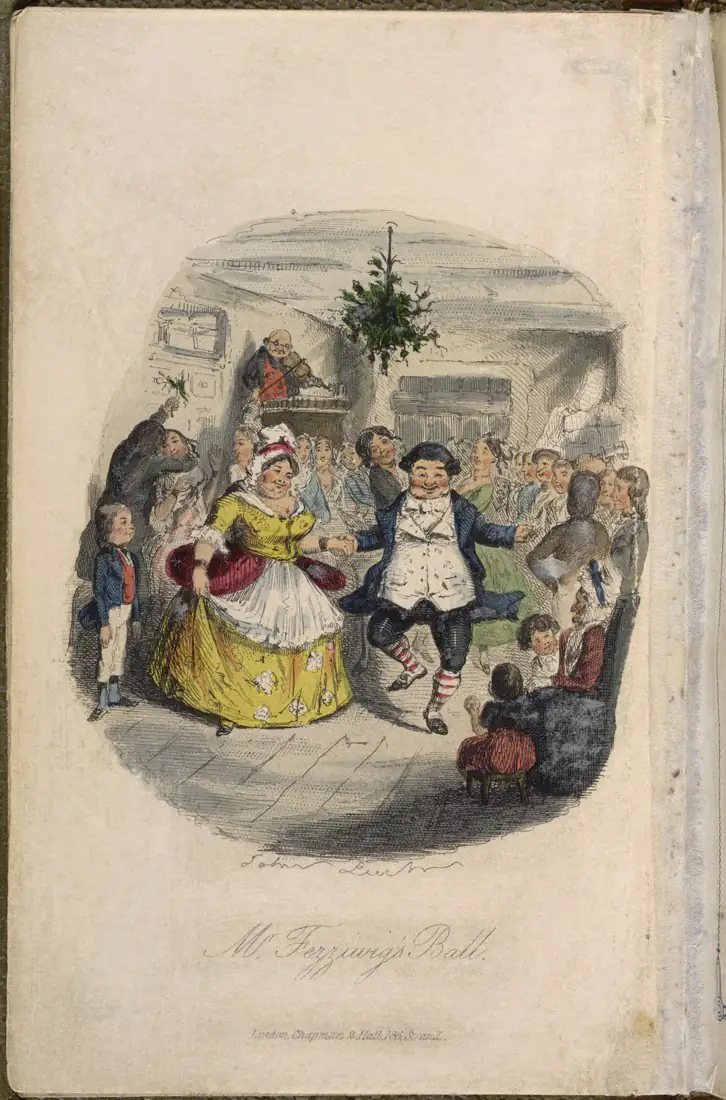
Victorian house parties could involve charades, musical chairs, music, dancing and storytelling. In grand houses, visiting theatre companies sometimes performed for guests.
One much less sensible amusement was Snapdragon, enjoyed by Victoria’s family: players tried to retrieve raisins from burning alcohol. It belongs firmly in the category of historical curiosities rather than Christmas activity suggestions.
The pudding brought its own small piece of fortune-telling, while seasonal greenery carried older associations with luck. Christmas mixed family entertainment with customs inherited and adapted across generations.
A little Victorian Christmas at home
For a manageable version today, borrow a few details:
- Make paper flowers or small paper ornaments.
- Display a handful of illustrated Christmas cards.
- Serve mince pies or a fruit pudding.
- Give something homemade.
- Play a short, gloriously ridiculous round of charades.
There is plenty to enjoy in the handmade decorations, shared food and slightly strange festive imagery. We can appreciate those details while remembering that the cosy Victorian Christmas was an aspiration many families had to work very hard to achieve.
Which would you bring back: handmade decorations, a goose-club savings pot—or Christmas cards covered in talking vegetables?
Sources and further reading
- V&A, Victorian Christmas traditions
- V&A, A brief history of Victorian Christmas cards
- English Heritage, Victorian Christmas Traditions
- English Heritage, The history of festive feasts
- National Trust, Christmas traditions from history
- Royal Museums Greenwich, Victorian Christmas
- British Library, Charles Dickens’s A Christmas Carol